Technology
How AI reads a smile: what Orela looks for in a scan
Orela Science Team · 5 September 2026
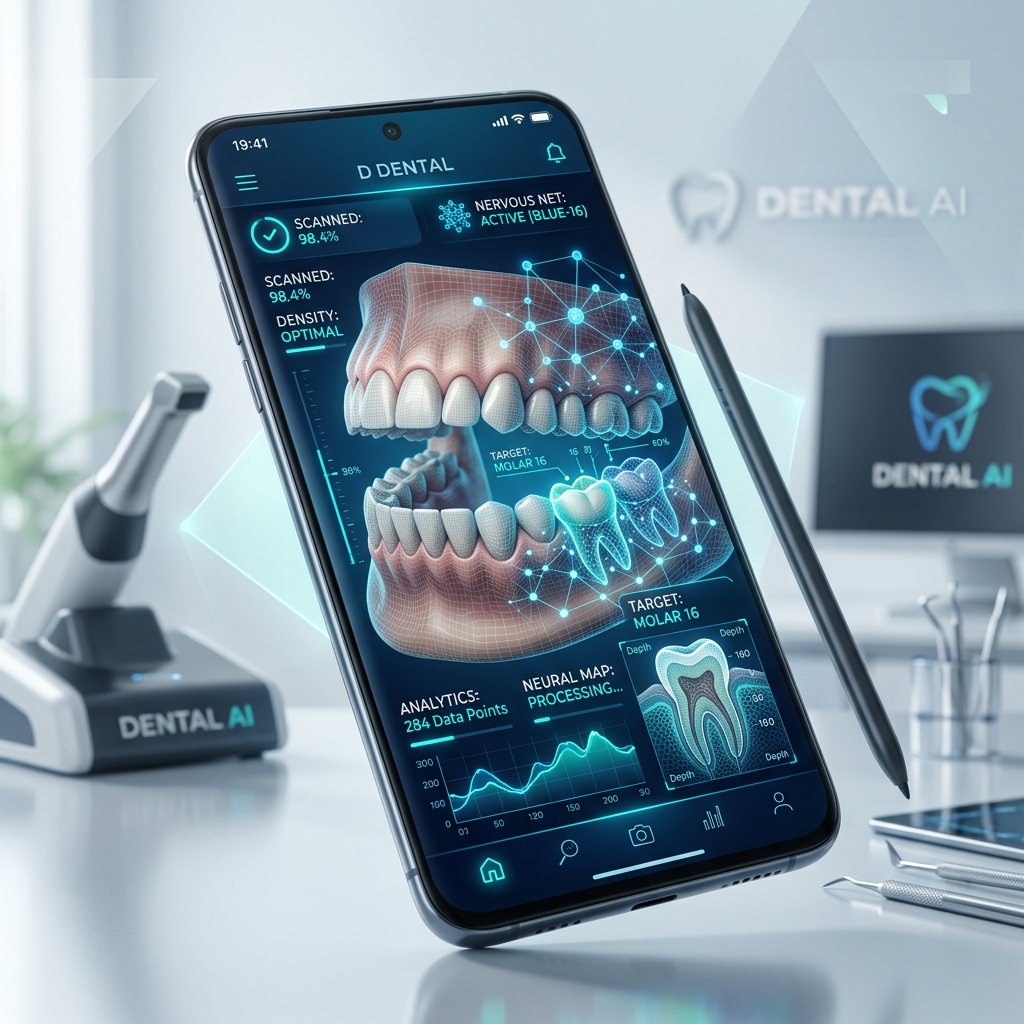
When you open Orela and follow the on-screen guide, you are not sending a random selfie into a black box. The app asks for a usable view of the teeth and gums: mouth open, teeth visible, as little blur and shadow as possible. If the photo is too dark, too close, or mostly lip, the quality check asks you to try again.
Once a frame is accepted, the models look for visual patterns that dentists already describe in clinic: staining, plaque-like deposits, possible cavities, gum redness, and missing or crowded teeth. Each finding is scored with a confidence level. Low-quality or uncertain regions are labelled as such, rather than dressed up as a firm clinical call.
That distinction matters. AI screening is pattern recognition on pixels. It can flag “this area looks different from a healthy reference” and help you track the same region over months. It cannot feel a pocket, take an X-ray, or decide a treatment plan. Orela’s product language is deliberate: screening, monitoring, and preventative support — not a diagnosis.
Over time, repeat scans are more valuable than a single snapshot. A stain that never changes is different from a dark spot that grows. Longitudinal tracking is where smartphone screening becomes useful for families, employers, and clinics: a shared, dated record that sits beside, not instead of, professional care.